Understanding Second Degree Burns: Causes, Symptoms, and Treatment
Category : Burn injuries en | Sub Category : Second Degree Burns Posted on 2023-07-07 21:24:53
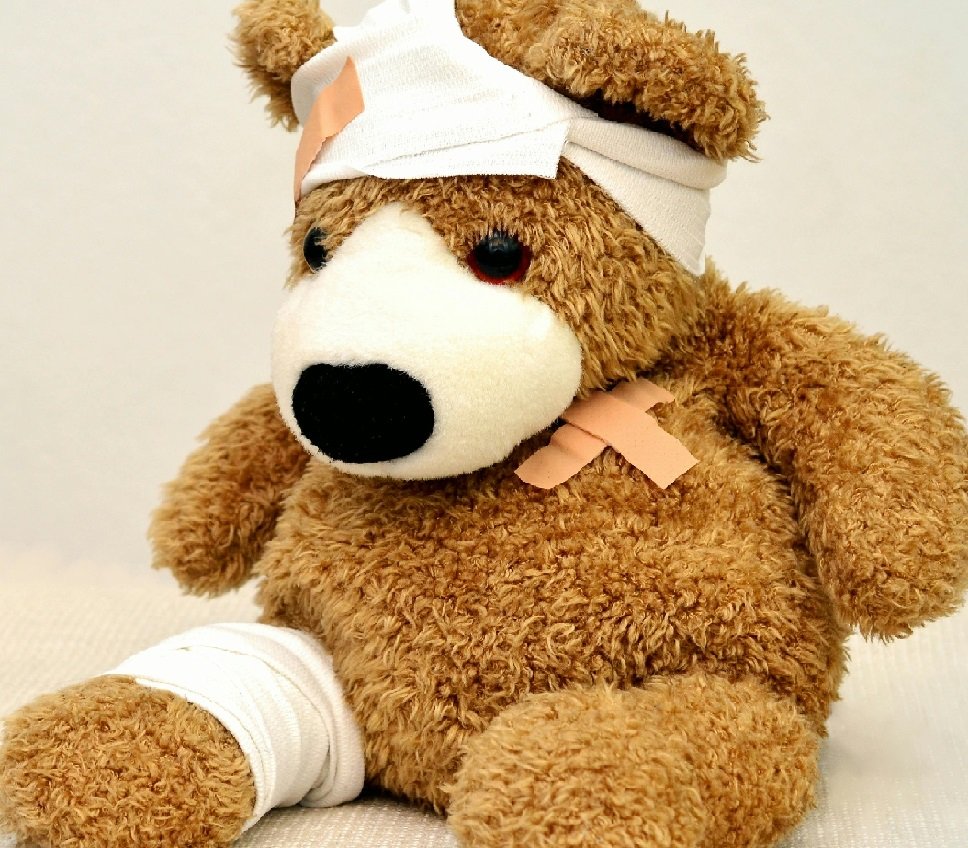
Understanding Second Degree Burns: Causes, Symptoms, and Treatment
Burn injuries can range in severity, with second degree burns being one of the common types that individuals may experience. These burns affect the outer layer of the skin (epidermis) and the underlying layer (dermis), causing pain, redness, swelling, and blistering. In this blog post, we will delve into the causes, symptoms, and treatment of second degree burns to shed light on how to effectively manage and care for these injuries.
Causes of Second Degree Burns:
Second degree burns can be caused by various factors, including:
1. Scalding from hot liquids or steam
2. Contact with hot surfaces or flames
3. Exposure to chemicals or electricity
4. Prolonged sun exposure
5. Friction burns from accidents or falls
Symptoms of Second Degree Burns:
Recognizing the symptoms of second degree burns is crucial for prompt medical intervention. Common symptoms include:
1. Intense pain
2. Redness and swelling
3. Blisters that may break open and ooze fluid
4. Peeling skin
5. Increased sensitivity to touch
6. Moderate to severe discomfort
Treatment of Second Degree Burns:
Proper treatment of second degree burns is essential to promote healing and prevent complications. Here are some steps to follow when dealing with these burns:
1. Cool the burn: Run cool water over the affected area for at least 10-15 minutes to help reduce pain and swelling.
2. Clean the wound: Gently clean the burn with mild soap and water to prevent infection.
3. Apply aloe vera or burn cream: Use aloe vera gel or an over-the-counter burn cream to soothe the burn and promote healing.
4. Cover the burn: Protect the burn with a sterile, non-adhesive dressing to prevent infection and speed up the healing process.
5. Seek medical attention: If the burn is large, deep, or located on sensitive areas such as the face, hands, feet, or genitals, seek medical assistance immediately.
In severe cases of second degree burns, healthcare professionals may recommend additional treatment options, such as:
1. Prescription burn creams or ointments
2. Antibiotics to prevent infection
3. Pain medication to manage discomfort
4. Dressing changes and wound care
5. Skin grafting in some cases
Preventing Second Degree Burns:
While accidents can happen, taking preventive measures can help reduce the risk of second degree burns. Some tips to prevent these burns include:
1. Use caution when handling hot liquids and objects.
2. Keep children away from hot surfaces and appliances.
3. Use sunscreen and protective clothing to prevent sunburn.
4. Follow safety guidelines when working with chemicals or electricity.
5. Install smoke detectors and fire extinguishers in your home.
By understanding the causes, symptoms, treatment, and prevention of second degree burns, individuals can better protect themselves and their loved ones from these injuries. Remember to seek medical attention if you experience a severe burn or if you are unsure about how to care for a burn properly. Prioritizing prompt and appropriate treatment is key to promoting healing and preventing long-term complications associated with second degree burns. Stay safe and take proactive steps to prevent burn injuries in your daily life.
Leave a Comment:
SEARCH
Recent News
- Zurich, Switzerland: The Ideal Destination for Sport Periodization
- Zurich, Switzerland: A Hub for Sports Championships
- Zurich, Switzerland has long been known for its exceptional quality of life, beautiful surroundings, and high standard of healthcare. In contrast, the Russian healthcare system has faced various challenges and struggles over the years. Let's delve into the differences between the healthcare systems in Zurich, Switzerland, and Russia.
- Navigating Medical Device Regulations in Zurich, Switzerland
- In the bustling city of Zurich, Switzerland, finding healthy fast food options can be a challenge. However, with a little exploration and curiosity, you can discover some fantastic spots that offer nutritious and delicious meals on the go.
- Maximizing Your YouTube Content Creation Strategy through Sport Periodization
- ## Cracking the Code: YouTube Content Creation and Translation in Sports Championships
- YouTube Content Creation: Exploring the Russian Healthcare System
READ MORE
9 months ago Category :

Zurich, Switzerland: The Ideal Destination for Sport Periodization
Read More →9 months ago Category :

Zurich, Switzerland: A Hub for Sports Championships
Read More →9 months ago Category :

Zurich, Switzerland has long been known for its exceptional quality of life, beautiful surroundings, and high standard of healthcare. In contrast, the Russian healthcare system has faced various challenges and struggles over the years. Let's delve into the differences between the healthcare systems in Zurich, Switzerland, and Russia.
Read More →9 months ago Category :
