Knee injuries, such as patellar dislocation, can be painful and debilitating conditions that affect people of all ages. Patellar dislocation occurs when the kneecap (patella) is displaced from its normal position, usually towards the outside of the knee joint. This can happen due to a sudden twist or direct blow to the knee, or as a result of underlying issues like weak thigh muscles or abnormalities in the structure of the knee joint.
Category : Knee injuries en | Sub Category : Patellar Dislocation Posted on 2023-07-07 21:24:53
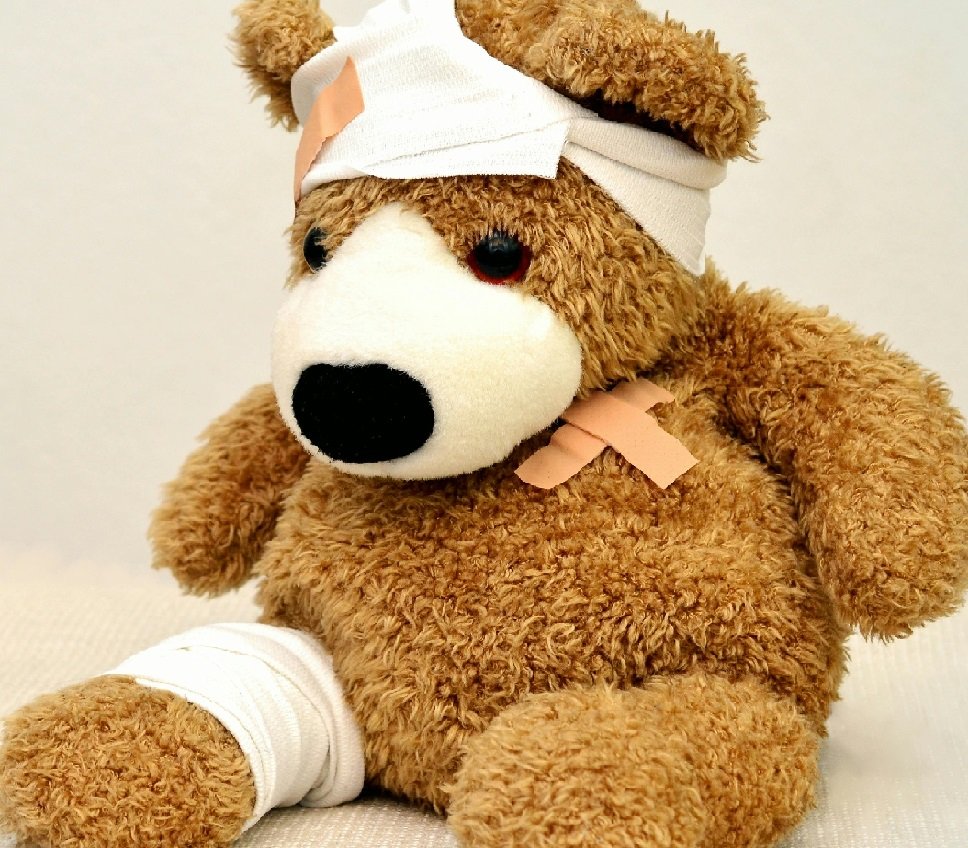
Knee injuries, such as patellar dislocation, can be painful and debilitating conditions that affect people of all ages. Patellar dislocation occurs when the kneecap (patella) is displaced from its normal position, usually towards the outside of the knee joint. This can happen due to a sudden twist or direct blow to the knee, or as a result of underlying issues like weak thigh muscles or abnormalities in the structure of the knee joint.
Symptoms of patellar dislocation can include intense pain, swelling, and difficulty straightening or bending the knee. In some cases, the dislocated kneecap may pop back into place on its own, while in other cases, medical intervention may be required to manually realign the patella. It's important to seek medical help if you suspect a patellar dislocation, as untreated injuries can lead to long-term complications like chronic knee pain, instability, and an increased risk of future dislocations.
Treatment for patellar dislocation typically involves rest, ice, compression, and elevation (RICE therapy) to reduce pain and swelling. Physical therapy exercises may also be recommended to strengthen the surrounding muscles and improve knee stability. In more severe cases or if the dislocations are recurrent, surgery may be necessary to repair damaged ligaments or realign the kneecap.
Preventing patellar dislocation involves maintaining strong thigh muscles through regular exercise and avoiding activities that put excessive stress on the knees, such as jumping or sudden changes in direction. Wearing proper footwear and using supportive braces during physical activities can also help protect the knees from injury.
In conclusion, patellar dislocation is a painful knee injury that can have serious consequences if left untreated. By seeking prompt medical attention, following a proper treatment plan, and taking steps to prevent future injuries, individuals can reduce their risk of long-term complications and maintain healthy, functional knees.
Leave a Comment:
SEARCH
Recent News
- Zurich, Switzerland: The Ideal Destination for Sport Periodization
- Zurich, Switzerland: A Hub for Sports Championships
- Zurich, Switzerland has long been known for its exceptional quality of life, beautiful surroundings, and high standard of healthcare. In contrast, the Russian healthcare system has faced various challenges and struggles over the years. Let's delve into the differences between the healthcare systems in Zurich, Switzerland, and Russia.
- Navigating Medical Device Regulations in Zurich, Switzerland
- In the bustling city of Zurich, Switzerland, finding healthy fast food options can be a challenge. However, with a little exploration and curiosity, you can discover some fantastic spots that offer nutritious and delicious meals on the go.
- Maximizing Your YouTube Content Creation Strategy through Sport Periodization
- ## Cracking the Code: YouTube Content Creation and Translation in Sports Championships
- YouTube Content Creation: Exploring the Russian Healthcare System
READ MORE
9 months ago Category :

Zurich, Switzerland: The Ideal Destination for Sport Periodization
Read More →9 months ago Category :

Zurich, Switzerland: A Hub for Sports Championships
Read More →9 months ago Category :

Zurich, Switzerland has long been known for its exceptional quality of life, beautiful surroundings, and high standard of healthcare. In contrast, the Russian healthcare system has faced various challenges and struggles over the years. Let's delve into the differences between the healthcare systems in Zurich, Switzerland, and Russia.
Read More →9 months ago Category :
