The Truth About Car Injuries: Separating Fact from Fiction
Category : | Sub Category : Posted on 2024-10-05 22:25:23
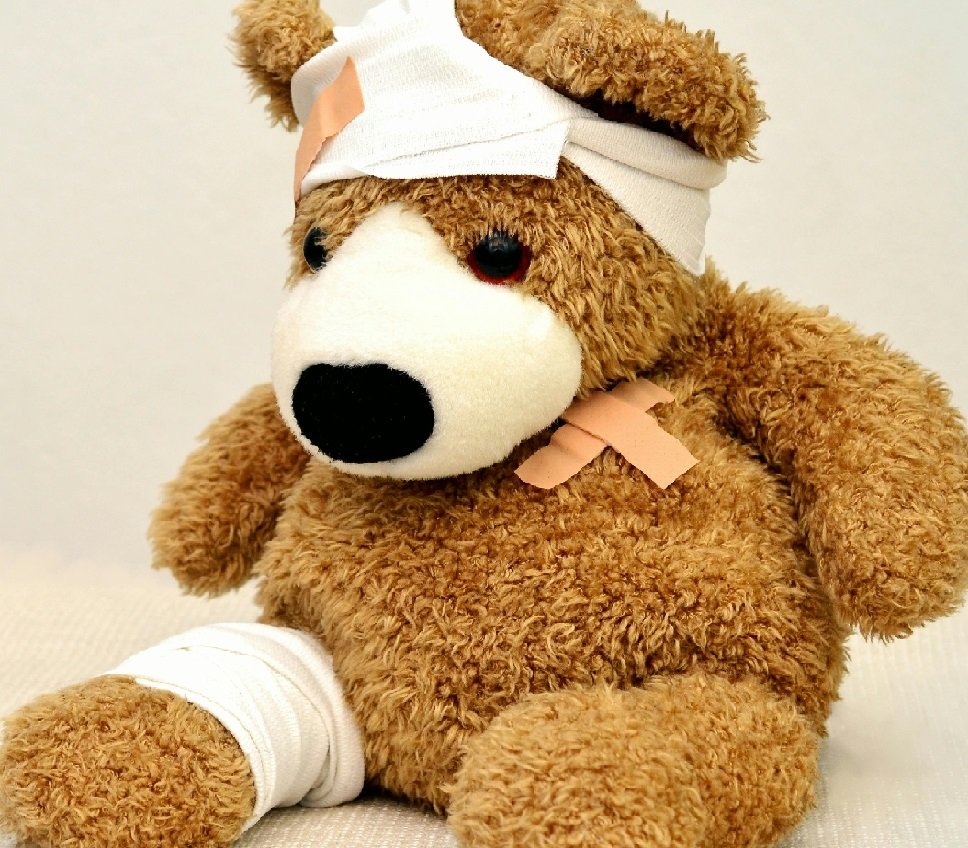
car accidents are a harsh reality that many people face on a daily basis. From minor fender benders to catastrophic crashes, the impact of these incidents can be life-altering. In the midst of news reports and sensational headlines, it's essential to separate the truth about car injuries from misinformation. Let's delve into the facts behind car injuries and the realities that every driver should be aware of. 1. Injuries are Common: According to the National Highway Traffic Safety Administration (NHTSA), there were an estimated 2.74 million people injured in motor vehicle crashes in 2019 alone. This statistic highlights the prevalence of car injuries and the potential dangers that drivers and passengers face on the road. 2. Types of Injuries: Car accidents can result in a wide range of injuries, from minor cuts and bruises to severe trauma. Common car accident injuries include whiplash, broken bones, head injuries, spinal cord injuries, and internal organ damage. It's crucial to seek medical attention following an accident to address any potential injuries promptly. 3. Impact of Speed: Speeding is a leading cause of car accidents and can significantly impact the severity of injuries sustained. Higher speeds result in more forceful collisions, increasing the likelihood of serious injuries and fatalities. Adhering to speed limits and driving at safe speeds can help reduce the risk of severe injuries in the event of an accident. 4. Seat Belts Save Lives: Wearing a seat belt is one of the most effective ways to prevent injuries in a car accident. Seat belts help restrain occupants and reduce the risk of ejection from the vehicle during a crash. Studies have shown that seat belts significantly reduce the likelihood of sustaining severe injuries or fatalities in accidents. 5. Psychological Impact: In addition to physical injuries, car accidents can also have a lasting psychological impact on individuals involved. Post-traumatic stress disorder (PTSD), anxiety, and depression are common emotional responses to traumatic events like car accidents. Seeking counseling and support following an accident can help individuals cope with the emotional aftermath. 6. Safety Precautions: Practicing safe driving habits and following traffic laws are essential steps in preventing car accidents and injuries. Avoiding distractions, such as texting while driving, driving under the influence of alcohol or drugs, and maintaining a safe following distance from other vehicles can help reduce the risk of accidents. In conclusion, car injuries are a harsh reality that many individuals face, but understanding the facts and taking preventative measures can help mitigate the risks. By staying informed, practicing safe driving habits, and prioritizing safety on the road, drivers can reduce the likelihood of accidents and protect themselves and others from harm. Stay safe, stay informed, and drive responsibly. Visit the following website https://www.cardirs.com Seeking in-depth analysis? The following is a must-read. https://www.qqhbo.com
Leave a Comment:
SEARCH
Recent News
- Zurich, Switzerland: The Ideal Destination for Sport Periodization
- Zurich, Switzerland: A Hub for Sports Championships
- Zurich, Switzerland has long been known for its exceptional quality of life, beautiful surroundings, and high standard of healthcare. In contrast, the Russian healthcare system has faced various challenges and struggles over the years. Let's delve into the differences between the healthcare systems in Zurich, Switzerland, and Russia.
- Navigating Medical Device Regulations in Zurich, Switzerland
- In the bustling city of Zurich, Switzerland, finding healthy fast food options can be a challenge. However, with a little exploration and curiosity, you can discover some fantastic spots that offer nutritious and delicious meals on the go.
- Maximizing Your YouTube Content Creation Strategy through Sport Periodization
- ## Cracking the Code: YouTube Content Creation and Translation in Sports Championships
- YouTube Content Creation: Exploring the Russian Healthcare System
READ MORE
8 months ago Category :

Zurich, Switzerland: The Ideal Destination for Sport Periodization
Read More →8 months ago Category :

Zurich, Switzerland: A Hub for Sports Championships
Read More →8 months ago Category :

Zurich, Switzerland has long been known for its exceptional quality of life, beautiful surroundings, and high standard of healthcare. In contrast, the Russian healthcare system has faced various challenges and struggles over the years. Let's delve into the differences between the healthcare systems in Zurich, Switzerland, and Russia.
Read More →8 months ago Category :
