The Dangers of DIY Experiments with Beauty and Cosmetic Products: Avoiding Injuries
Category : | Sub Category : Posted on 2024-10-05 22:25:23
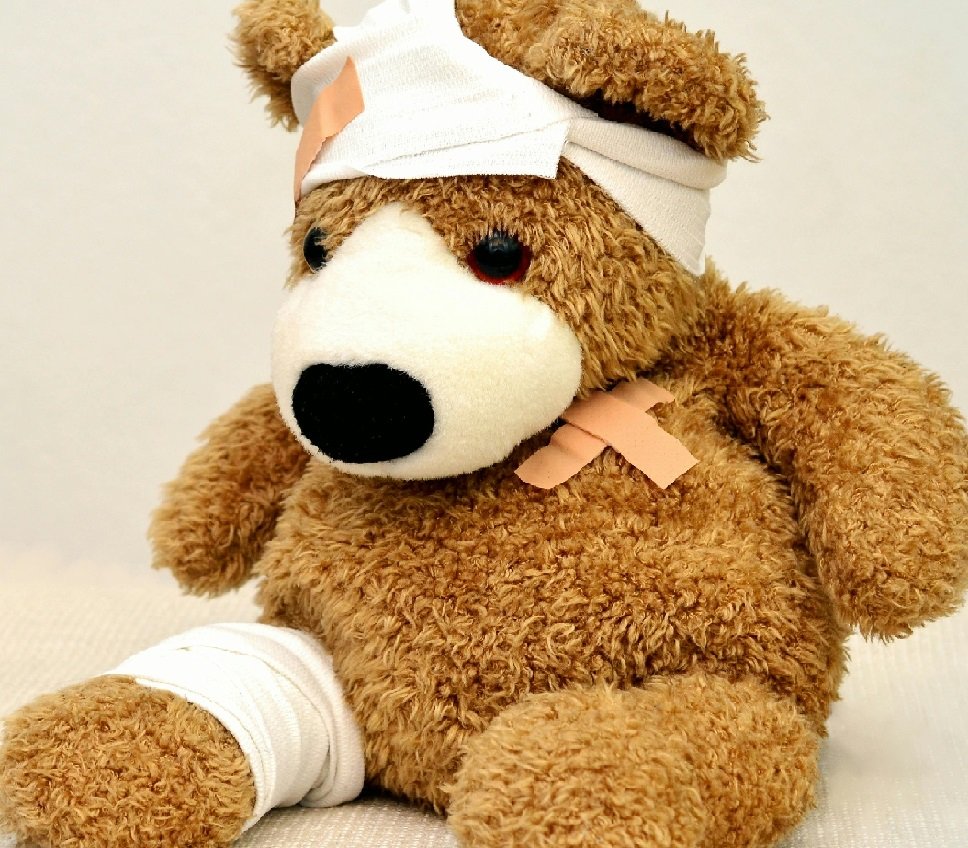
In the age of Pinterest and YouTube tutorials, DIY beauty experiments have become increasingly popular. From homemade face masks to natural hair treatments, there is no shortage of ideas for creating your beauty and cosmetic products at home. While it can be exciting to whip up your skincare potions or makeup, it's essential to proceed with caution to avoid the risk of injuries. When it comes to DIY beauty and cosmetic products, the lack of regulations and expertise in formulating these products can lead to potential hazards. Here are some common injuries that can result from DIY experiments with beauty and cosmetic products: 1. Skin Irritation: Using ingredients that are not suitable for your skin type can cause irritation, redness, and even chemical burns. Citrus fruits, essential oils, and certain spices are common allergens that can trigger reactions when applied to the skin. 2. Allergic Reactions: DIY products often contain a mix of ingredients that may not have been tested for compatibility. This can lead to allergic reactions ranging from mild itching to severe swelling and difficulty breathing. 3. Eye Injuries: Applying homemade products near the eyes can be risky, as the delicate eye area is sensitive to certain ingredients. Irritation, redness, and even corneal damage can occur if the product accidentally gets into the eyes. 4. Contamination: DIY beauty products are susceptible to contamination if proper hygiene practices are not followed during the preparation and storage process. Bacterial growth in the products can lead to skin infections and other health issues. To minimize the risk of injuries from DIY beauty experiments, consider the following precautions: 1. Research Ingredients: Before trying a new DIY beauty recipe, research the ingredients to ensure they are safe for topical use and compatible with your skin type. 2. Perform Patch Tests: Always conduct a patch test on a small area of your skin before applying a new DIY product all over your face or body. This can help identify potential allergic reactions or sensitivities. 3. Practice Good Hygiene: Wash your hands, utensils, and containers thoroughly before mixing ingredients to prevent contamination. Store DIY products in clean, airtight containers to maintain their freshness. 4. Consult a Professional: If you have sensitive skin, allergies, or pre-existing skin conditions, consult a dermatologist or skincare expert before trying any DIY beauty products. While the allure of DIY beauty experiments may be tempting, it's essential to prioritize your safety and well-being when experimenting with beauty and cosmetic products at home. By following proper precautions and being mindful of potential risks, you can enjoy the benefits of homemade beauty treatments without putting your skin and health in jeopardy. also this link is for more information https://www.tknl.org
Leave a Comment:
SEARCH
Recent News
- Zurich, Switzerland: The Ideal Destination for Sport Periodization
- Zurich, Switzerland: A Hub for Sports Championships
- Zurich, Switzerland has long been known for its exceptional quality of life, beautiful surroundings, and high standard of healthcare. In contrast, the Russian healthcare system has faced various challenges and struggles over the years. Let's delve into the differences between the healthcare systems in Zurich, Switzerland, and Russia.
- Navigating Medical Device Regulations in Zurich, Switzerland
- In the bustling city of Zurich, Switzerland, finding healthy fast food options can be a challenge. However, with a little exploration and curiosity, you can discover some fantastic spots that offer nutritious and delicious meals on the go.
- Maximizing Your YouTube Content Creation Strategy through Sport Periodization
- ## Cracking the Code: YouTube Content Creation and Translation in Sports Championships
- YouTube Content Creation: Exploring the Russian Healthcare System
READ MORE
9 months ago Category :

Zurich, Switzerland: The Ideal Destination for Sport Periodization
Read More →9 months ago Category :

Zurich, Switzerland: A Hub for Sports Championships
Read More →9 months ago Category :

Zurich, Switzerland has long been known for its exceptional quality of life, beautiful surroundings, and high standard of healthcare. In contrast, the Russian healthcare system has faced various challenges and struggles over the years. Let's delve into the differences between the healthcare systems in Zurich, Switzerland, and Russia.
Read More →9 months ago Category :
