Common DIY Home Daily Injuries and How to Prevent Them
Category : | Sub Category : Posted on 2024-10-05 22:25:23
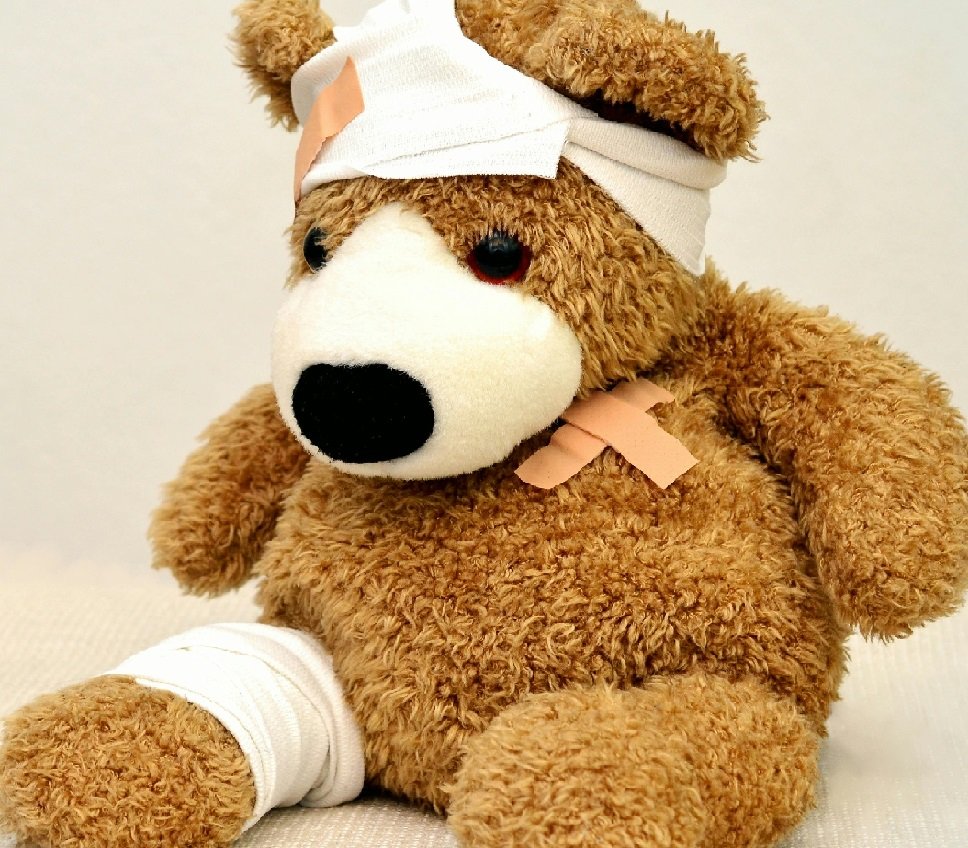
Accidents happen, especially when tackling home improvement projects. While DIY projects can be rewarding and cost-effective, they also come with the risk of injuries. It is important to be aware of the potential dangers and take precautions to prevent mishaps. In this blog post, we will discuss some common DIY home daily injuries and provide tips on how to avoid them. 1. Cuts and Lacerations: One of the most common injuries when working on DIY projects is cuts and lacerations. Handling sharp tools such as saws, knives, and blades can result in accidental cuts. To prevent these injuries, always use tools with caution, keep them sharp, and handle them properly. Wear protective gloves to minimize the risk of cuts while handling sharp objects. 2. Strains and Sprains: Another frequent injury among DIY enthusiasts is strains and sprains. Lifting heavy objects, reaching awkward positions, or repetitive motions can lead to muscle strains. To avoid these injuries, be mindful of your body mechanics, lift with your legs instead of your back, and take breaks to rest your muscles. Consider using proper lifting techniques or asking for help when dealing with heavy items. 3. Falls: Working at heights during DIY projects, such as painting walls or installing light fixtures, increases the risk of falls. Make sure to use sturdy ladders or scaffolds and secure them properly. Wear non-slip shoes to maintain traction on slippery surfaces. Always have someone nearby to assist you or hold the ladder for added safety. 4. Eye Injuries: DIY tasks like sanding, painting, or using power tools can generate debris that may cause eye injuries. Protect your eyes by wearing safety goggles or glasses while working on these projects. Make it a habit to keep your work area clean and free of clutter to prevent accidents that could lead to eye injuries. 5. Burns: Working with hot tools like soldering irons, glue guns, or even cooking appliances can result in burns. To avoid burns, always wear protective gear such as heat-resistant gloves and aprons. Be cautious when handling hot objects and follow safety instructions provided by the tools you are using. In conclusion, DIY home projects can be a fun and fulfilling way to improve your living space, but it is crucial to prioritize safety. By being aware of the common injuries associated with DIY tasks and taking preventative measures, you can enjoy your projects without risking your well-being. Remember to use proper safety equipment, follow instructions carefully, and seek help when needed to ensure a safe and successful DIY experience. More about this subject in https://www.corriente.org
Leave a Comment:
SEARCH
Recent News
- Zurich, Switzerland: The Ideal Destination for Sport Periodization
- Zurich, Switzerland: A Hub for Sports Championships
- Zurich, Switzerland has long been known for its exceptional quality of life, beautiful surroundings, and high standard of healthcare. In contrast, the Russian healthcare system has faced various challenges and struggles over the years. Let's delve into the differences between the healthcare systems in Zurich, Switzerland, and Russia.
- Navigating Medical Device Regulations in Zurich, Switzerland
- In the bustling city of Zurich, Switzerland, finding healthy fast food options can be a challenge. However, with a little exploration and curiosity, you can discover some fantastic spots that offer nutritious and delicious meals on the go.
- Maximizing Your YouTube Content Creation Strategy through Sport Periodization
- ## Cracking the Code: YouTube Content Creation and Translation in Sports Championships
- YouTube Content Creation: Exploring the Russian Healthcare System
READ MORE
9 months ago Category :

Zurich, Switzerland: The Ideal Destination for Sport Periodization
Read More →9 months ago Category :

Zurich, Switzerland: A Hub for Sports Championships
Read More →9 months ago Category :

Zurich, Switzerland has long been known for its exceptional quality of life, beautiful surroundings, and high standard of healthcare. In contrast, the Russian healthcare system has faced various challenges and struggles over the years. Let's delve into the differences between the healthcare systems in Zurich, Switzerland, and Russia.
Read More →9 months ago Category :
