Spinal cord injuries can have devastating effects on individuals, one of the most common being paraplegia. Paraplegia is a condition resulting from spinal cord damage, typically in the thoracic region of the spine. This damage disrupts communication between the brain and the lower half of the body, leading to paralysis of the lower limbs.
Category : Spinal cord injuries en | Sub Category : Paraplegia Posted on 2023-07-07 21:24:53
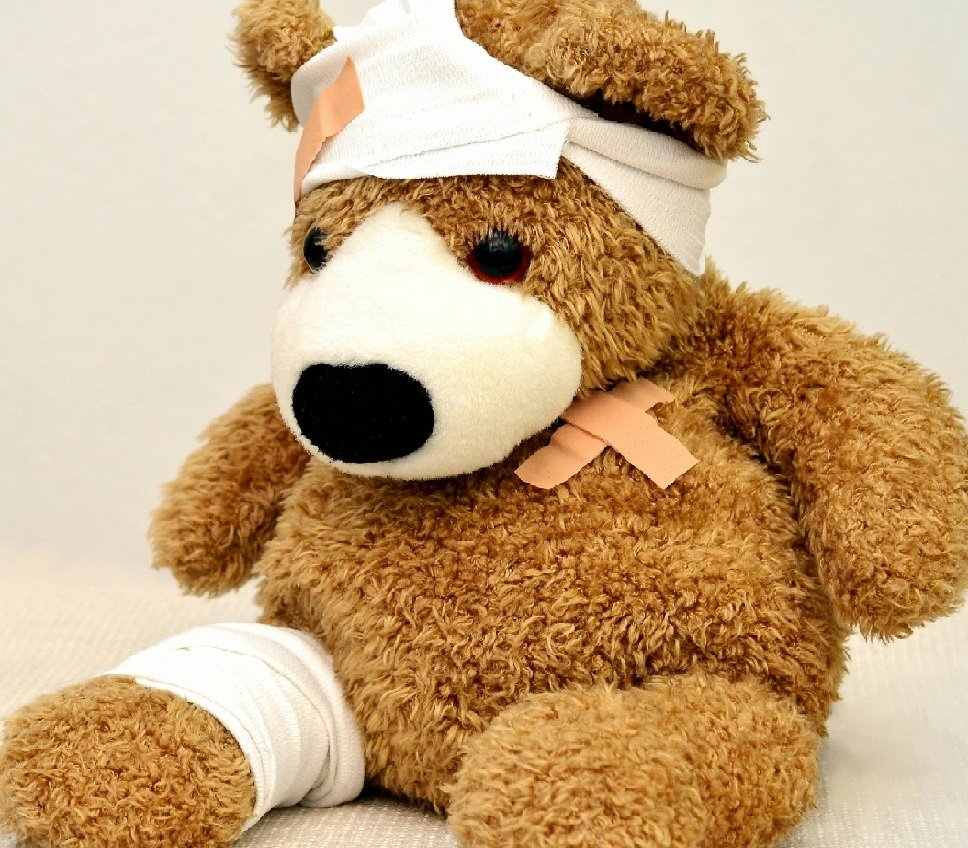
Spinal cord injuries can have devastating effects on individuals, one of the most common being paraplegia. Paraplegia is a condition resulting from spinal cord damage, typically in the thoracic region of the spine. This damage disrupts communication between the brain and the lower half of the body, leading to paralysis of the lower limbs.
The causes of spinal cord injuries resulting in paraplegia vary, with some of the most common being traumatic events such as car accidents, falls, sports injuries, or acts of violence. Non-traumatic causes like tumors, infections, or degenerative diseases can also result in paraplegia.
Living with paraplegia can significantly impact a person's daily life and independence. Tasks that were once simple, like walking or climbing stairs, become challenging or impossible. The loss of sensation and motor function in the lower body can also lead to complications such as loss of bladder and bowel control, muscle atrophy, and decreased bone density.
Despite the challenges, many individuals with paraplegia lead fulfilling and active lives. Advancements in medical technology, rehabilitation therapies, and assistive devices have greatly improved the quality of life for people with spinal cord injuries. Wheelchairs, orthotic devices, and mobility aids enable individuals with paraplegia to remain mobile and independent.
Moreover, ongoing research in the field of spinal cord injury holds promise for potential treatments and therapies to improve outcomes for those living with paraplegia. Stem cell therapy, robotic exoskeletons, and electrical stimulation are among the innovative approaches being explored to restore function and mobility to paralyzed individuals.
In addition to physical challenges, individuals with paraplegia may also face emotional and psychological hurdles. Adjusting to life with a spinal cord injury can be overwhelming, and many may experience feelings of loss, anger, or depression. Support from healthcare professionals, rehabilitation specialists, and peer support groups can play a crucial role in helping individuals cope with the emotional impact of their condition.
Overall, spinal cord injuries resulting in paraplegia present significant challenges, but with the right support and resources, individuals with these injuries can lead fulfilling and meaningful lives. As research and advancements in medical technology continue to progress, the future looks promising for improving outcomes and quality of life for individuals living with paraplegia.
Leave a Comment:
SEARCH
Recent News
- Zurich, Switzerland: The Ideal Destination for Sport Periodization
- Zurich, Switzerland: A Hub for Sports Championships
- Zurich, Switzerland has long been known for its exceptional quality of life, beautiful surroundings, and high standard of healthcare. In contrast, the Russian healthcare system has faced various challenges and struggles over the years. Let's delve into the differences between the healthcare systems in Zurich, Switzerland, and Russia.
- Navigating Medical Device Regulations in Zurich, Switzerland
- In the bustling city of Zurich, Switzerland, finding healthy fast food options can be a challenge. However, with a little exploration and curiosity, you can discover some fantastic spots that offer nutritious and delicious meals on the go.
- Maximizing Your YouTube Content Creation Strategy through Sport Periodization
- ## Cracking the Code: YouTube Content Creation and Translation in Sports Championships
- YouTube Content Creation: Exploring the Russian Healthcare System
READ MORE
9 months ago Category :

Zurich, Switzerland: The Ideal Destination for Sport Periodization
Read More →9 months ago Category :

Zurich, Switzerland: A Hub for Sports Championships
Read More →9 months ago Category :

Zurich, Switzerland has long been known for its exceptional quality of life, beautiful surroundings, and high standard of healthcare. In contrast, the Russian healthcare system has faced various challenges and struggles over the years. Let's delve into the differences between the healthcare systems in Zurich, Switzerland, and Russia.
Read More →9 months ago Category :
